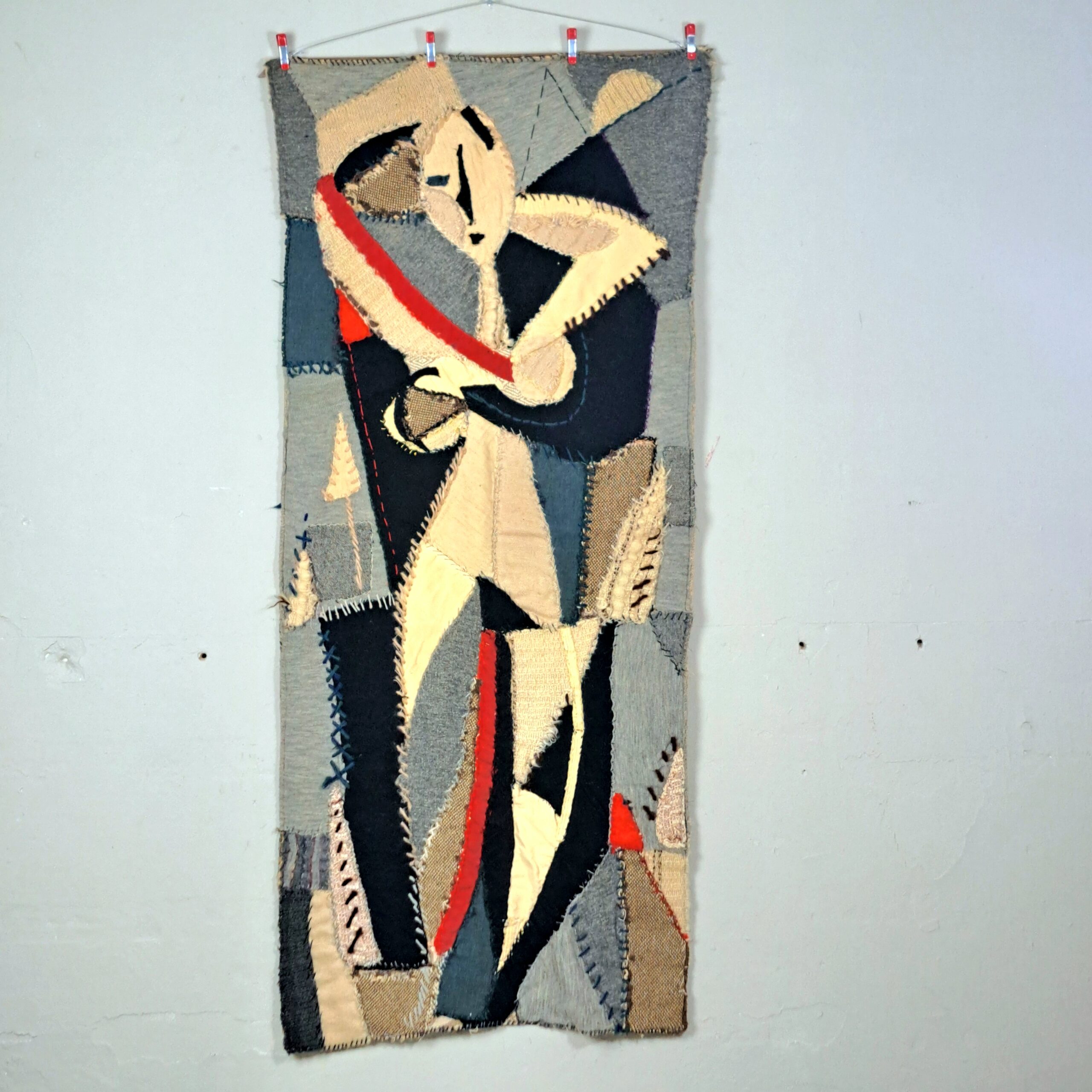
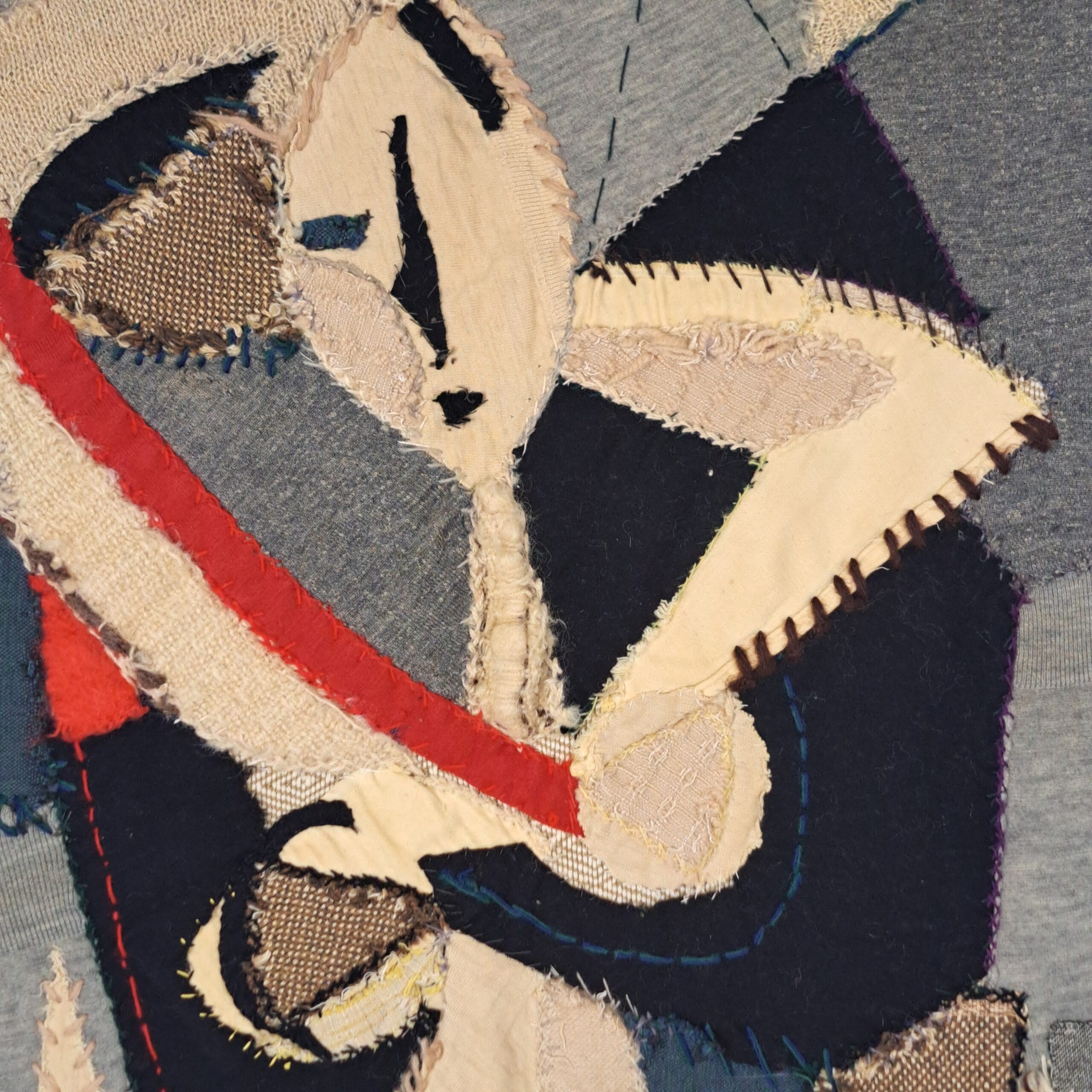
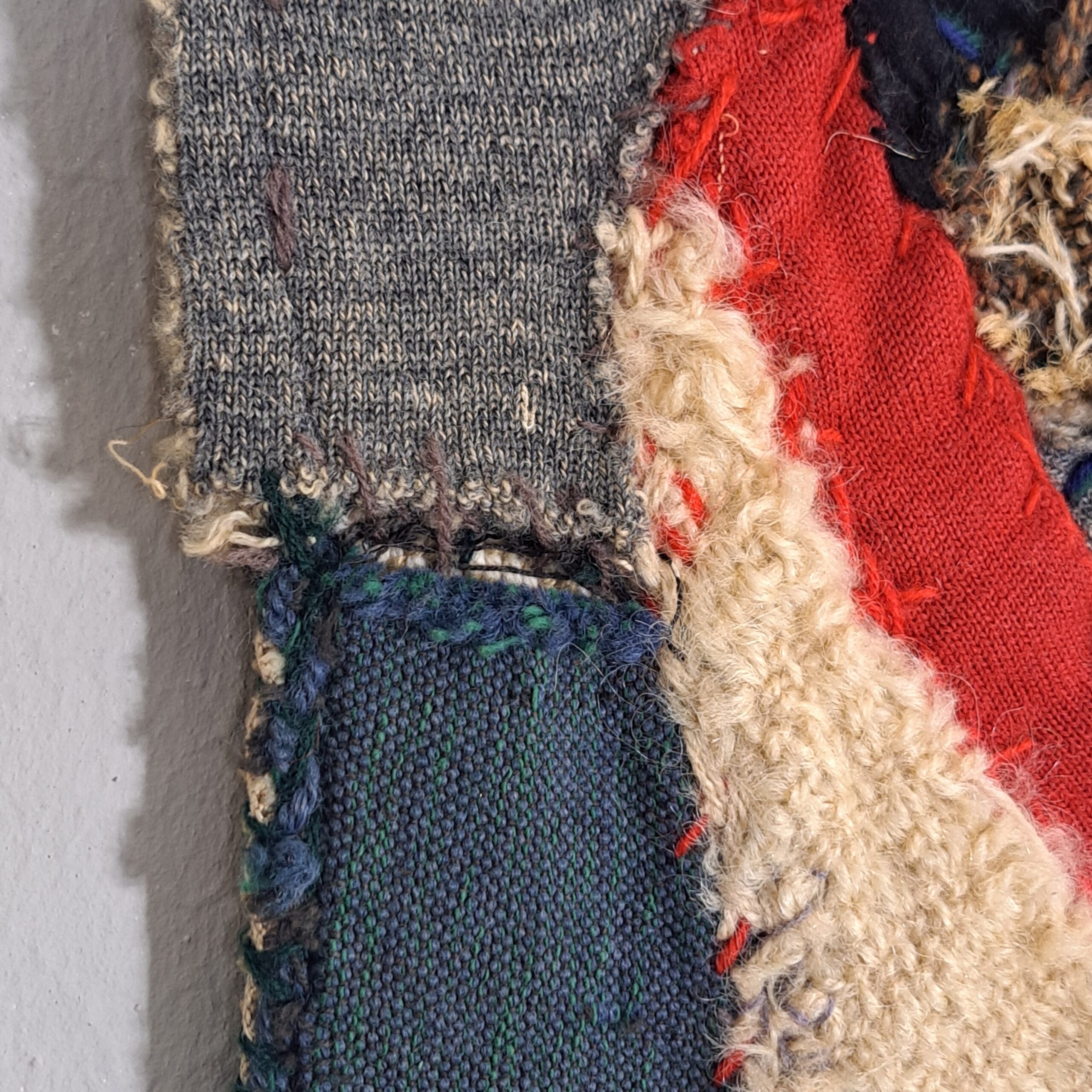
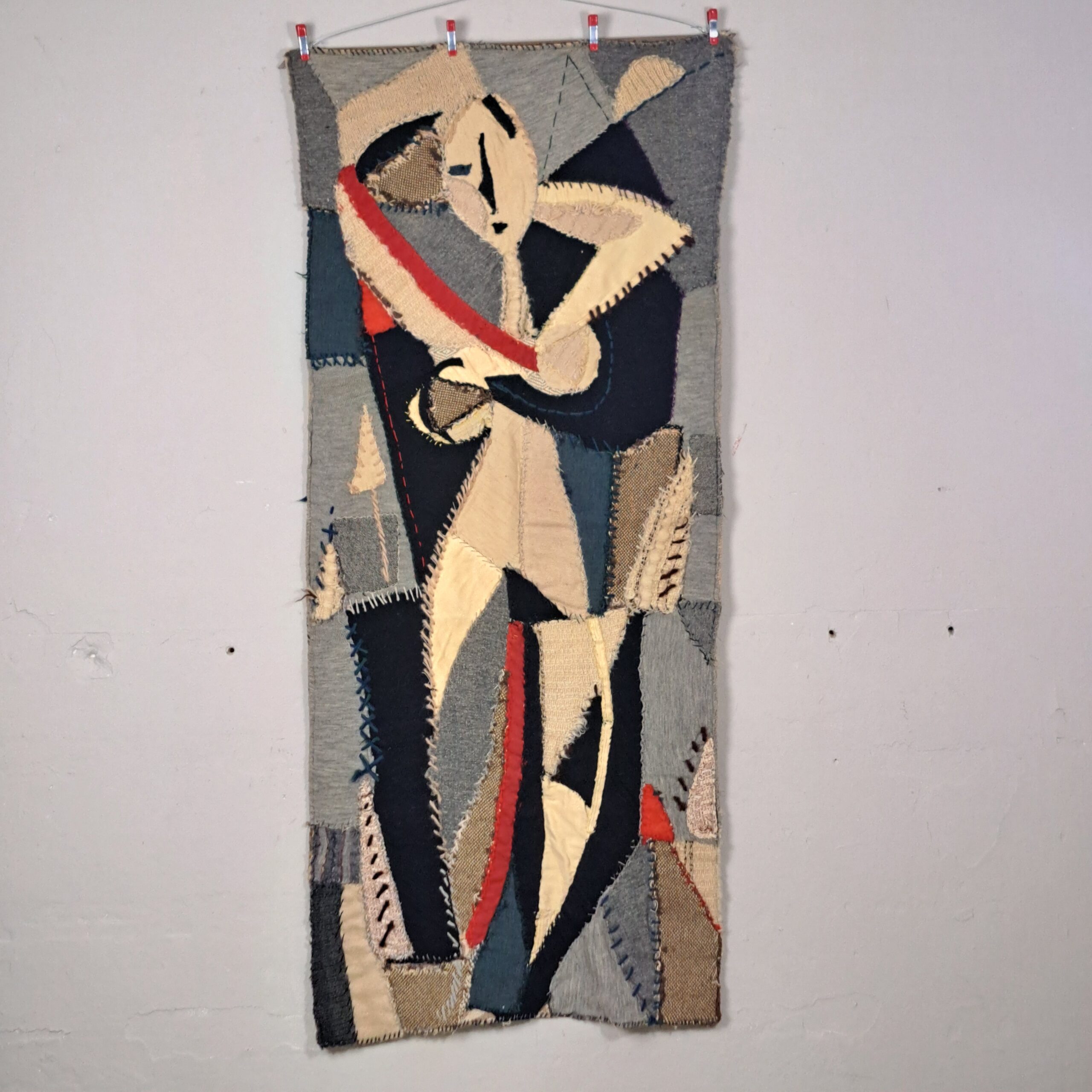
Description
Ewoud de Kat, actually Ewout de Kat (Vlissingen, 10 March 1904 – Haarlem, 29 April 1974) was a Dutch painter and drawing teacher. He attended the painting school of Gerard Jacobs in Vlissingen and after the hbs he moved to Rotterdam. He studied there at the Academy of Fine Arts and Technical Sciences (1922-1926) as a pupil of Herman Mees and David Bautz, and obtained the MO drawing certificate. He became a teacher of drawing and art history in Rotterdam. He moved to Haarlem in early 1935, where he became a teacher at the ulo. He married a year later, and from this marriage the architect Kees de Kat was born, among others. In 1969 De Kat retired.[His pupils included his nephew, sculptor Kees de Kat and draughtsman Theo van Kempen. De Kat painted in watercolour, gouache and oil paint, among other things, farmers and fishermen, landscapes and seascapes in an expressionist style. He made his debut as an exhibitor only at the age of 36 in Kunstzaal Boskamp in Overveen (1940). The art critic of the Algemeen Handelsblad called him a “significant talent” and his work “tough, chunky, life-inspired art”. Furthermore, his work was shown with other Haarlem artists in the Frans Hals Museum (1945), during a solo exhibition in Stedelijk Museum Het Catharina Gasthuis in Gouda (1951) and posthumously in a retrospective in the museum De Joodse Huizen in Veere (2007).


