Description
William Howard Calfee (1909–1995) was an influential American painter, sculptor, and art educator who played a pivotal role in shaping the mid-20th-century Washington, D.C. art scene.
Calfee studied at prestigious institutions, including the École des Beaux-Arts in Paris and the Cranbrook Academy of Art in Michigan, where he learned monumental sculpture and bronze casting under Carl Milles. His multi-disciplinary portfolio transitioned from classical New Deal realism to highly abstract, geometric sculptures and multimedia paintings. Today, his institutional legacy is preserved by the William H. Calfee Foundation, and his pieces are held in permanent collections like the Smithsonian American Art Museum.
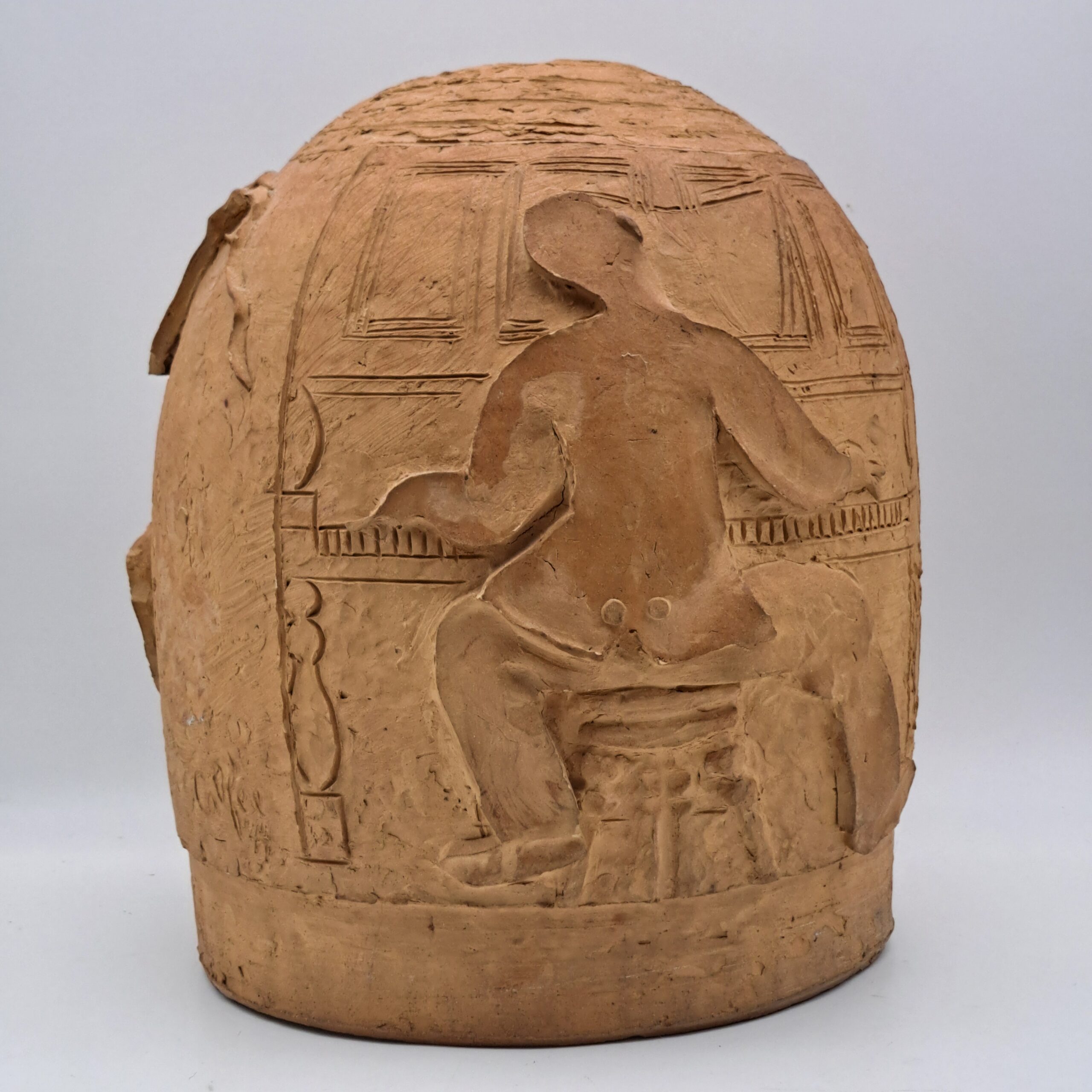
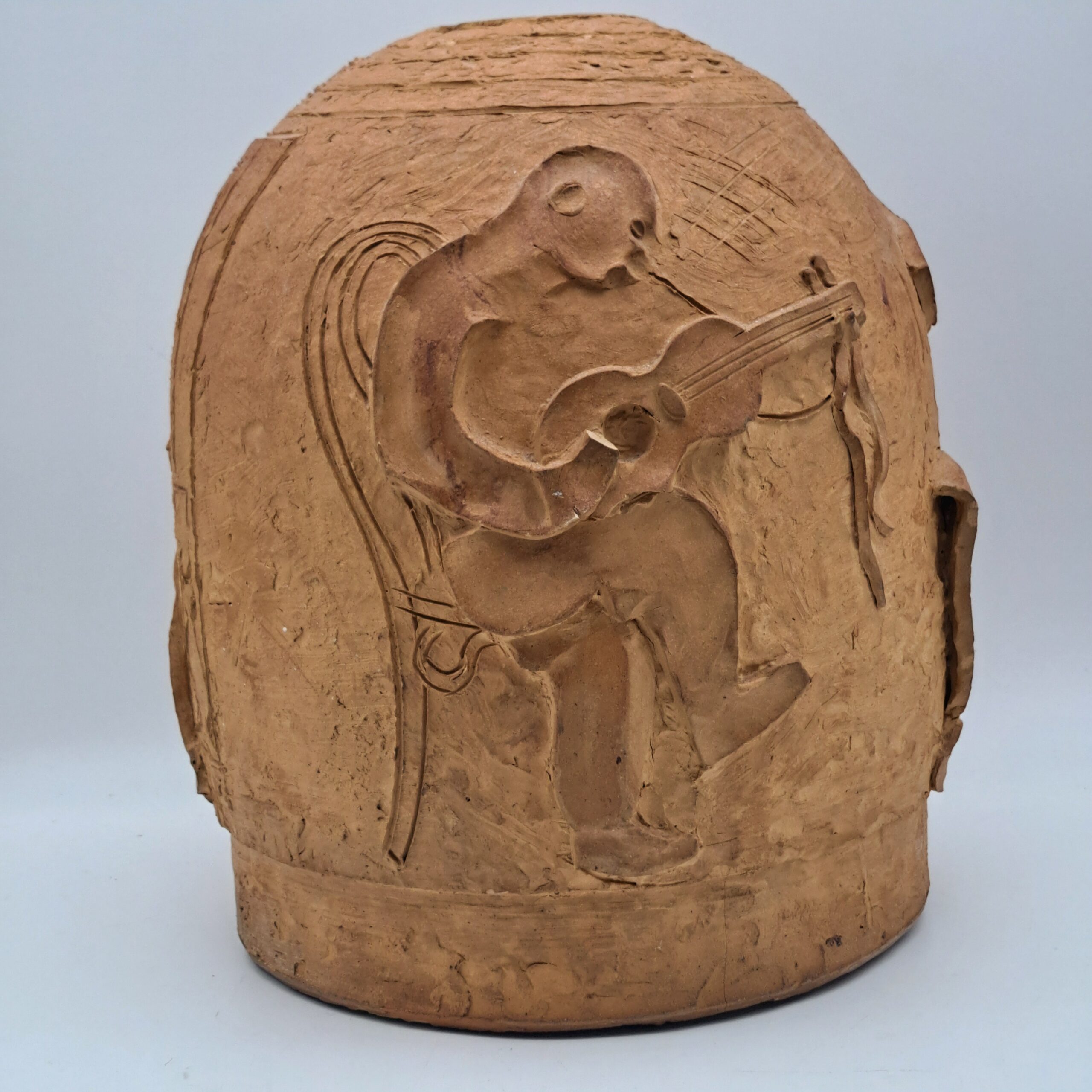
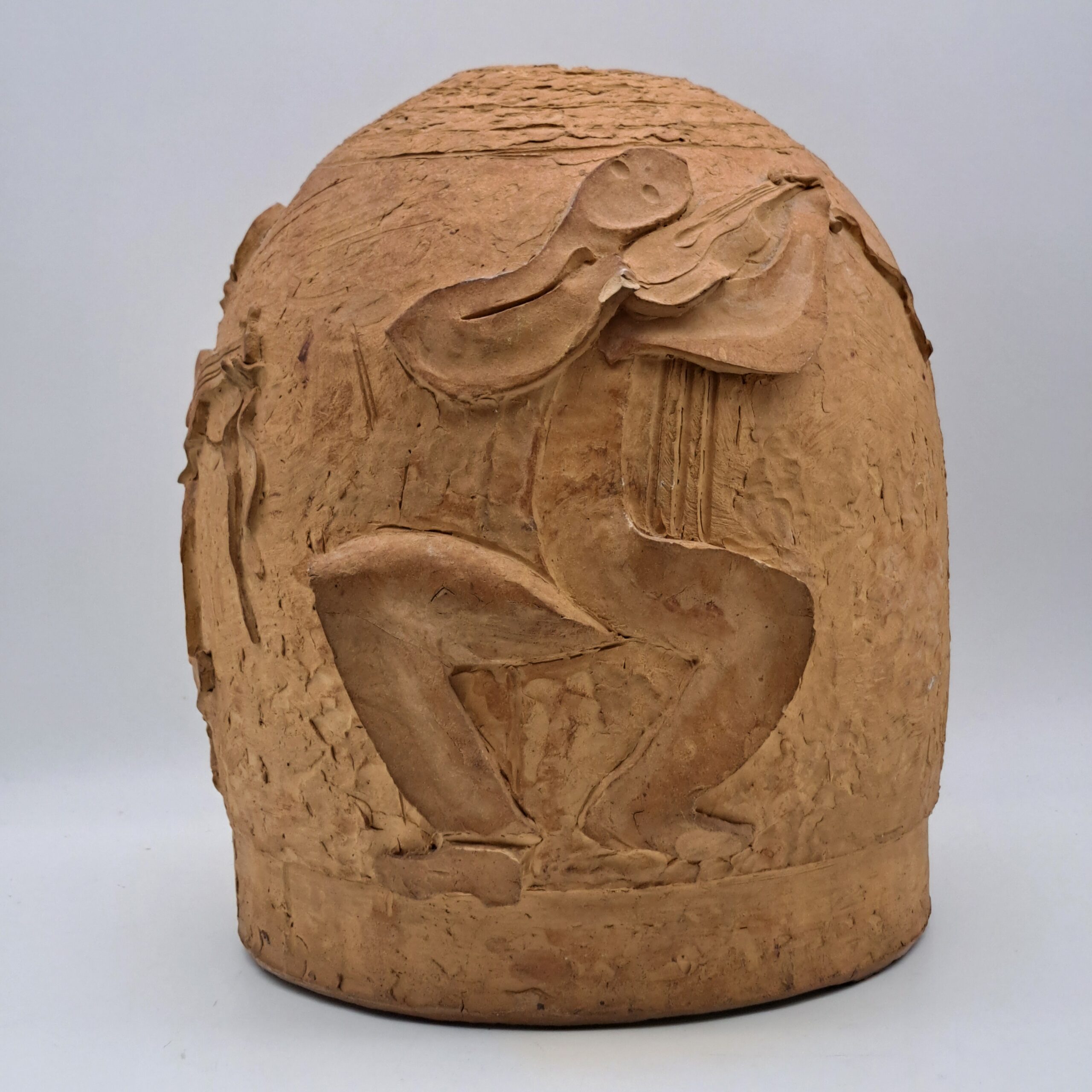
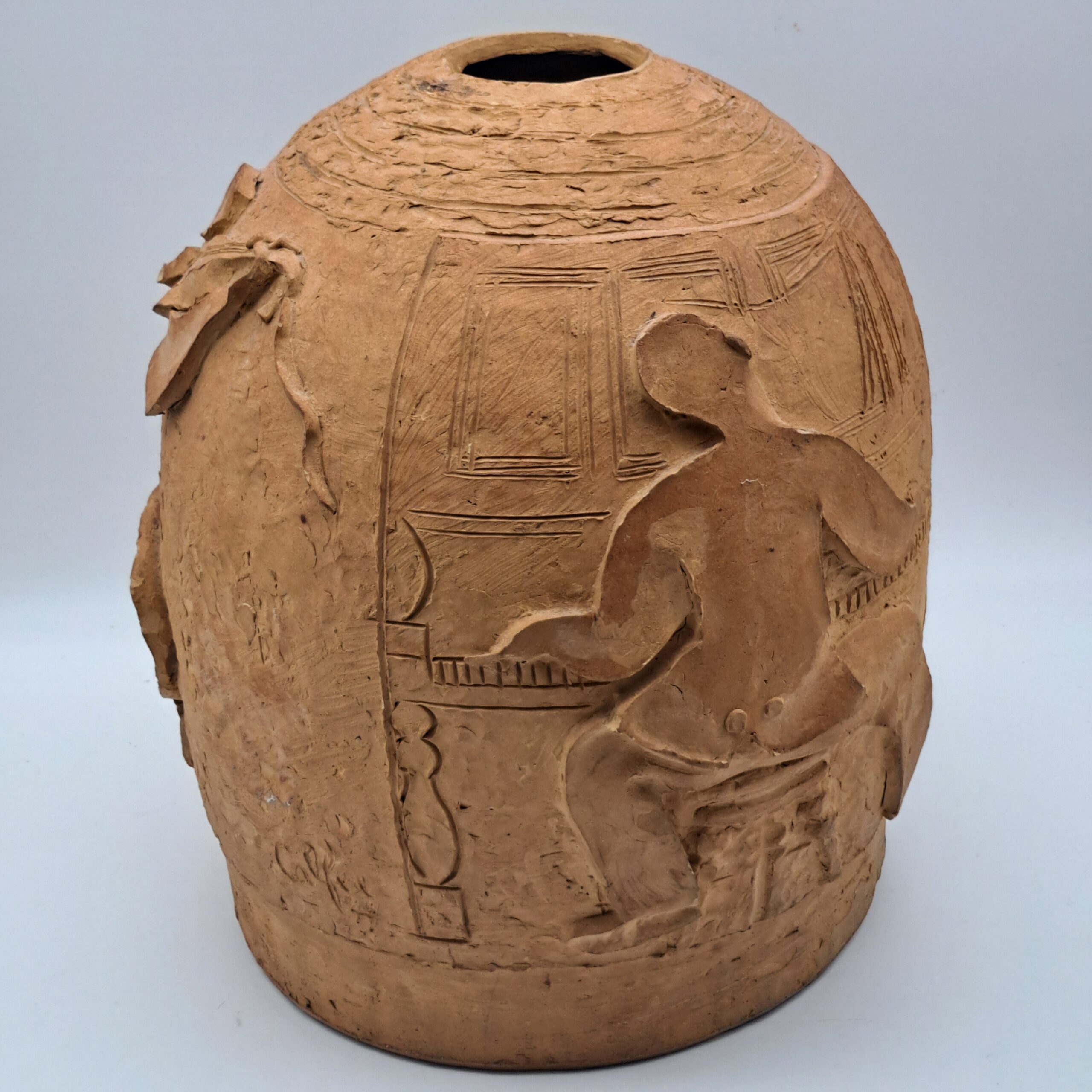
Although Calfee worked a lot with bronze, stone, and wood later in his career, in the 30s and 40s he experimented extensively with various modeling and casting materials. Casting or modeling in terracotta and ceramics was very common at the time for sculptors to try out (organic) forms. Style period: His work from 1944 sits right at the border between his early, figurative style (known from his New Deal murals) and his later, abstract modernism. William H. Calfee’s work is mainly held by American museums (like the Smithsonian American Art Museum) and private collectors in the Washington area. It’s a unique find to own an early European or American-oriented piece of his.
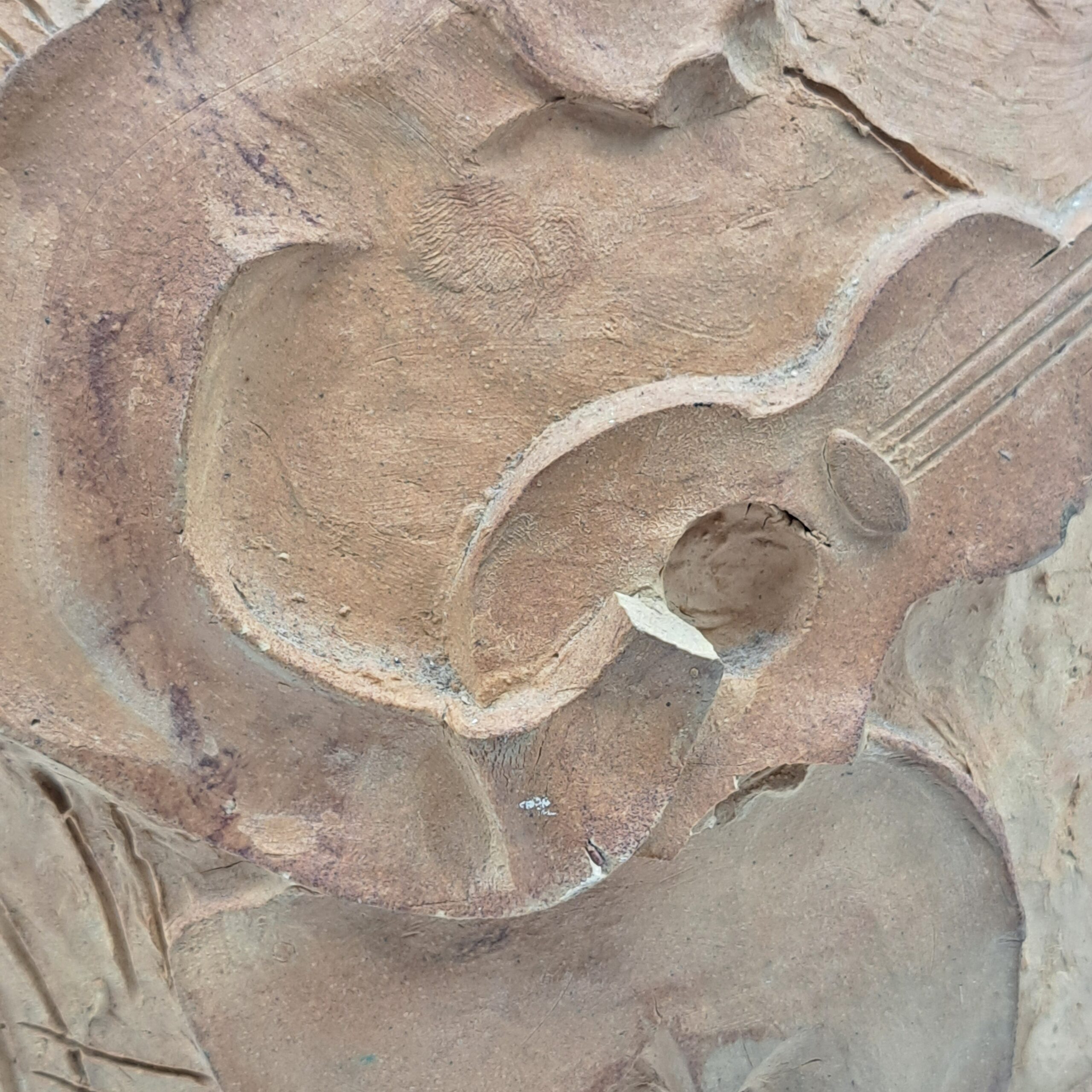
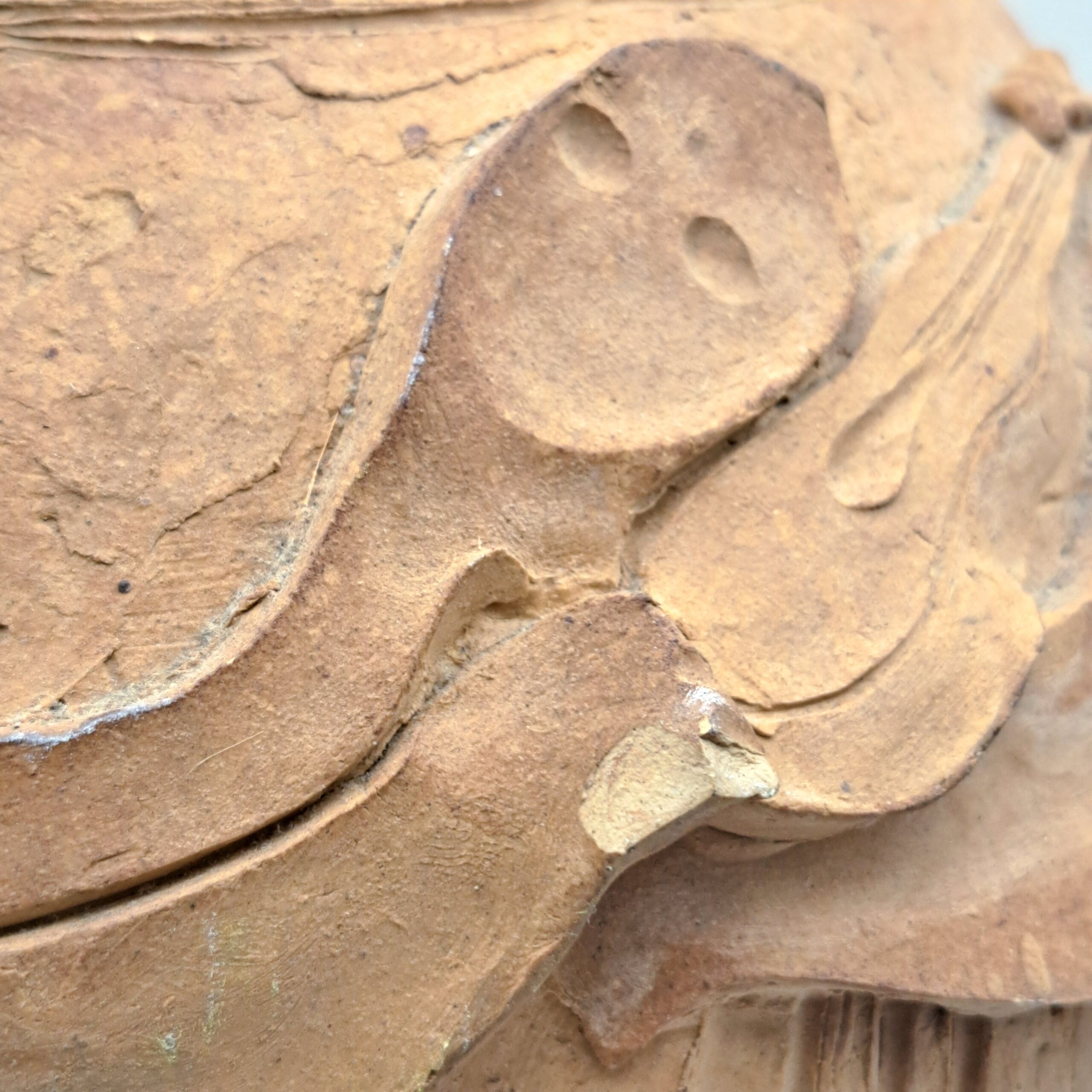
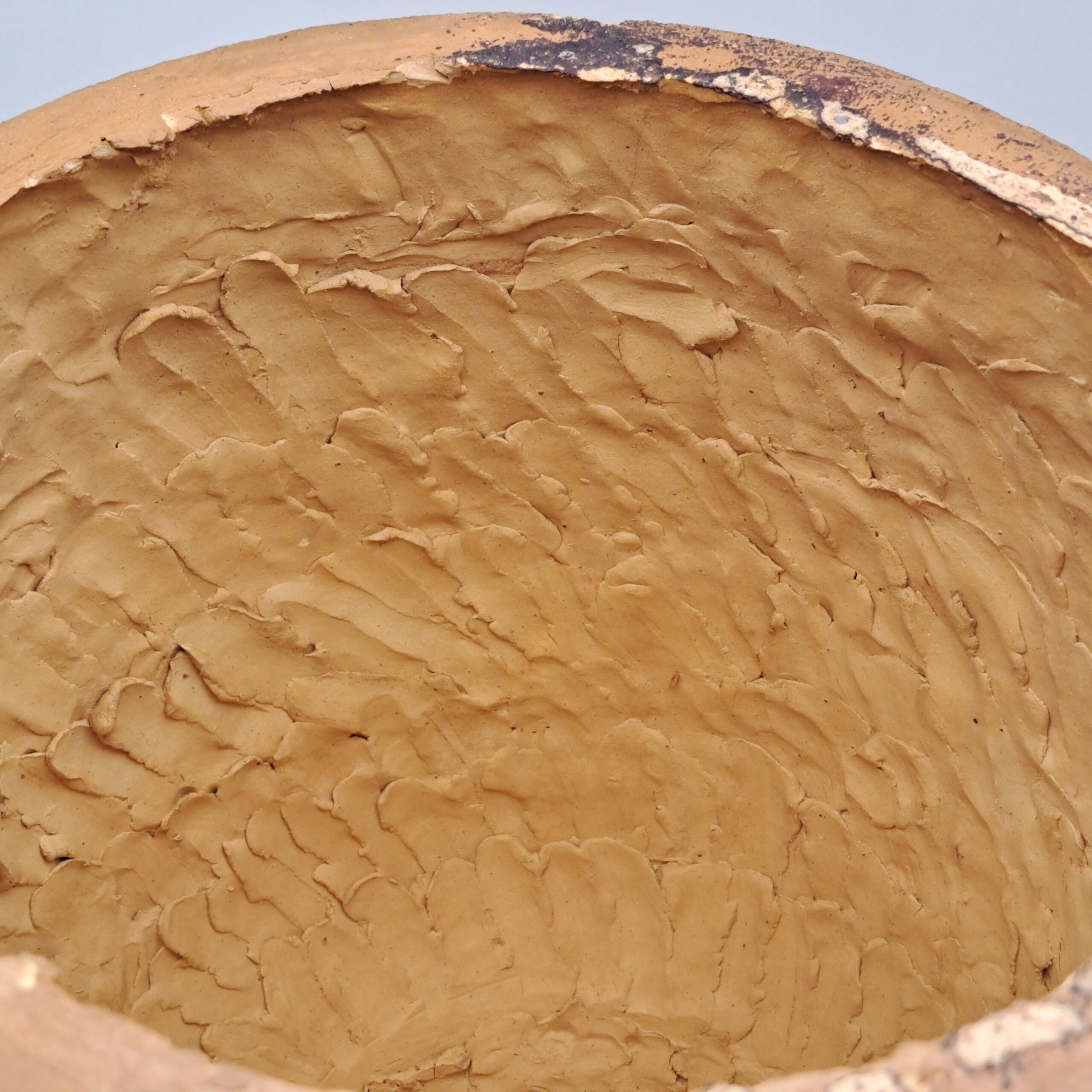
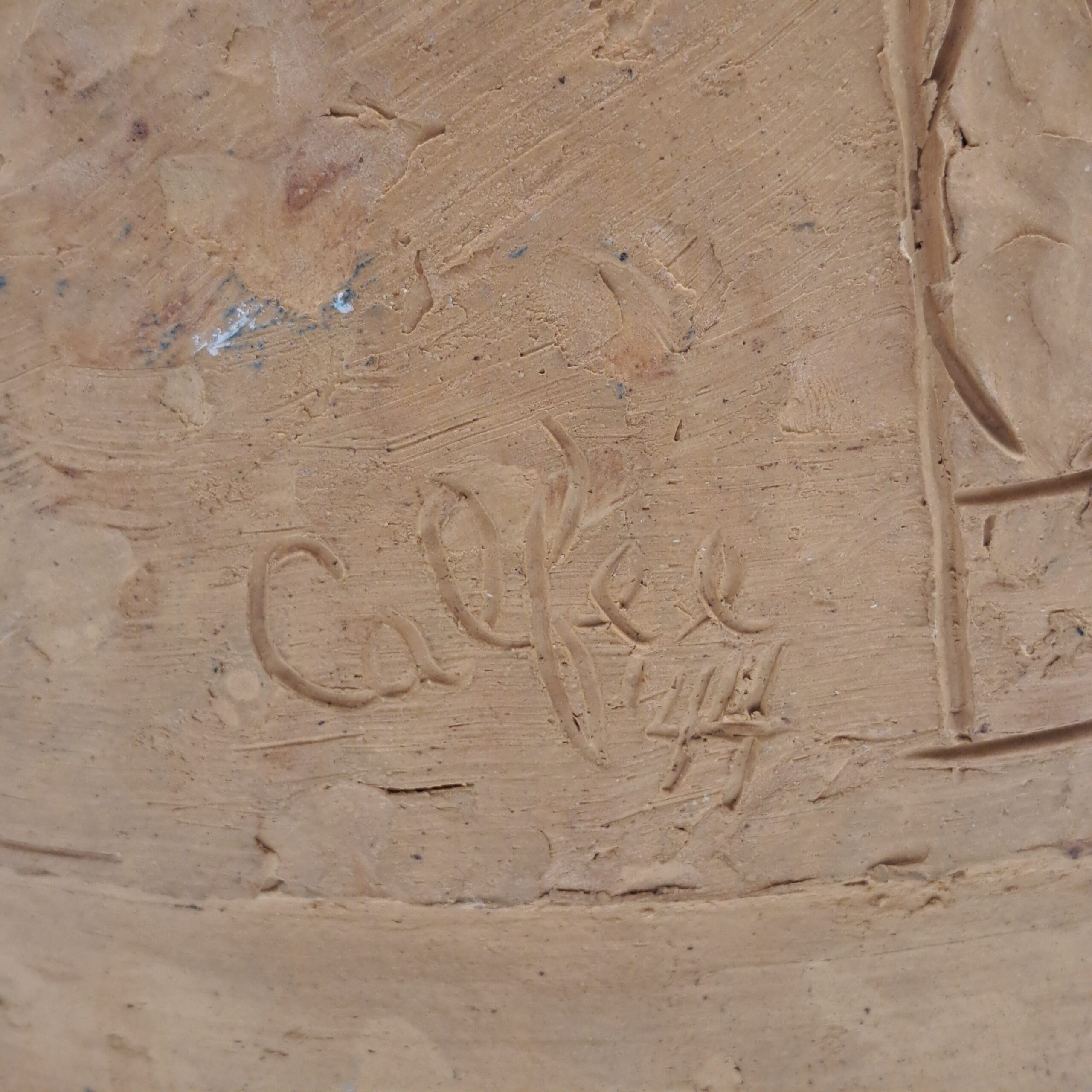
This piece is in good condition, with two little fragments missing, but not disturbing, terracotta on a wooden base, h. 30, diameter 25, signed and dated Calfee ’44.


